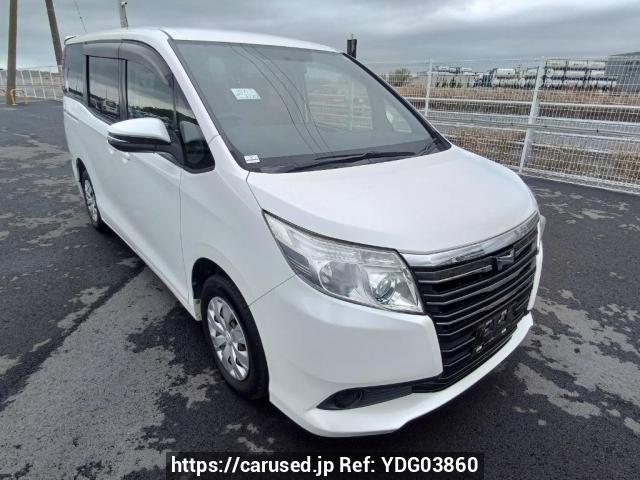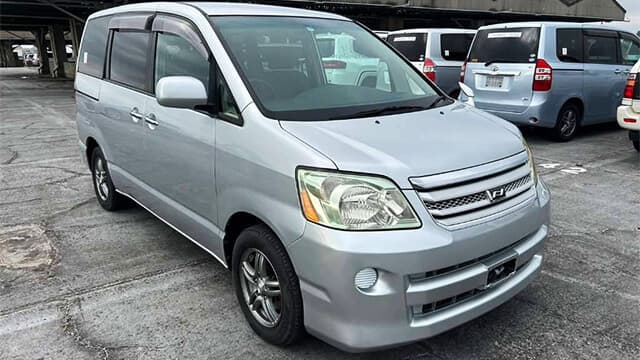
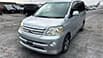
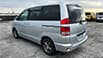
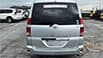
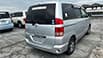
Toyota Noah First and Second Generation Overview
First generation AZR (2001 - 2007)
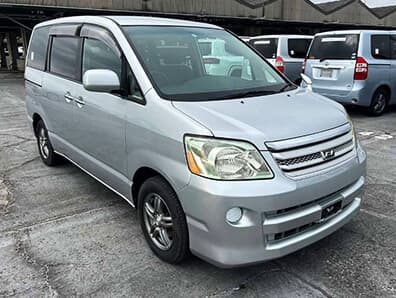
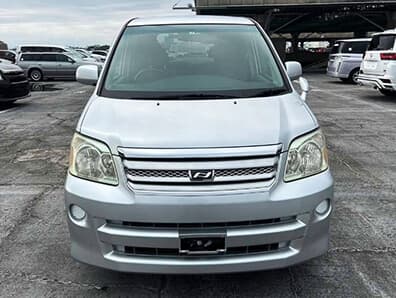
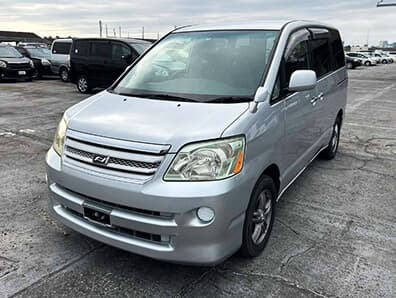
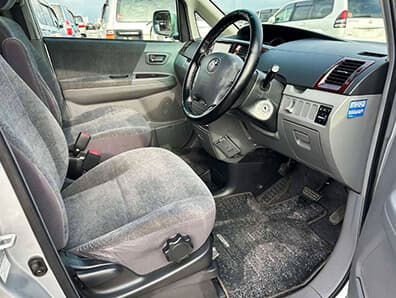
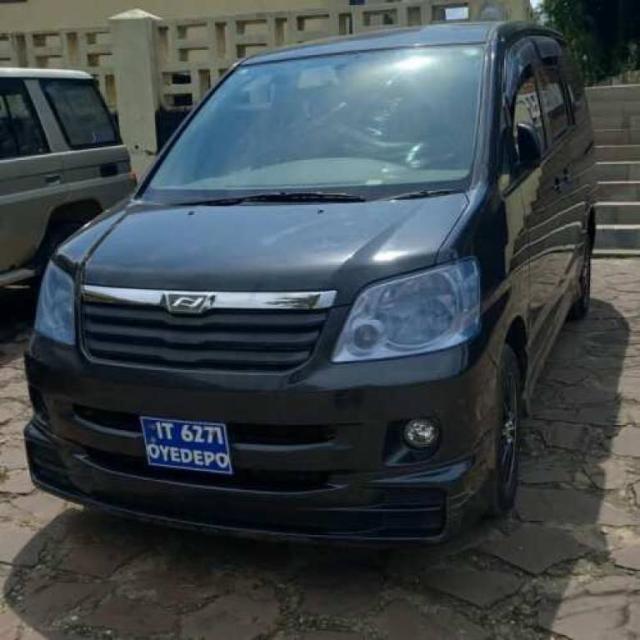
The first-generation Toyota Noah, introduced in 2001, was developed as a compact minivan tailored for urban families. Built on the Toyota Corolla platform, it offered a smart balance between maneuverability and interior space. A tall roofline and flat floor layout maximized cabin volume, while its compact exterior made it easy to navigate in tight city environments.
Initially powered by the 2.0L 1AZ-FSE engine with direct fuel injection, the Noah produced around 152 hp and was paired with a 4-speed automatic transmission. Customers could choose between front-wheel drive and full-time 4WD variants, making it suitable for various driving conditions. The suspension setup prioritized ride comfort over sporty handling, ideal for family use.
Safety was enhanced with features such as dual front airbags and ABS with EBD. The Noah's boxy design contributed to excellent visibility, and sliding doors on both sides simplified entry and exit, especially in narrow parking spaces. Practical interior features and a reliable powertrain helped the AZR Noah establish a strong presence in both the domestic Japanese market and overseas export markets.
Key Features :
- Sliding Doors: Manual or power sliding doors on both sides for easy rear-seat access.
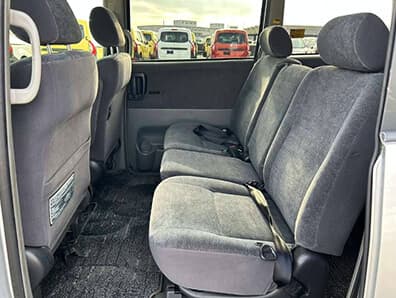
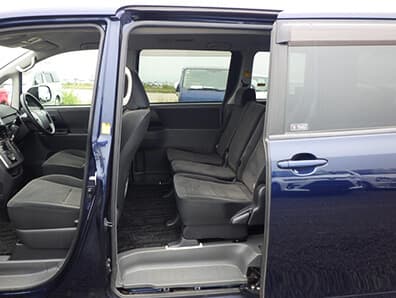
- Interior Flexibility: Offered seating for 7 or 8 passengers, with foldable and removable third-row seats.
- Efficient Engine: Equipped with a 2.0L 1AZ-FSE inline-4 producing around 152 hp.
- Transmission Options: 4-speed automatic with Super ECT; available in both 2WD and 4WD variants.
- Compact Yet Spacious: Designed to fit Japanese parking limits while maximizing interior height and legroom.
- Safety Equipment: Dual airbags, ABS with EBD, optional side airbags, and ISOFIX anchors for child seats.
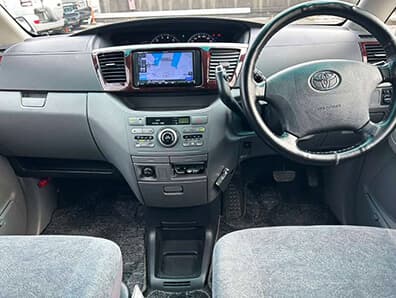
- Comfort Upgrades: Featured dual-zone climate control, optional navigation, and higher trims offered alloy wheels and fog lamps.
Second generation ZRR (2007 - 2014)
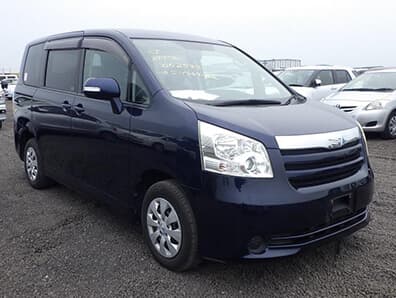
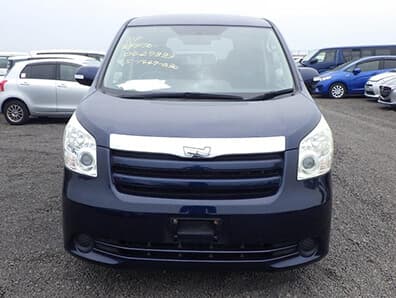
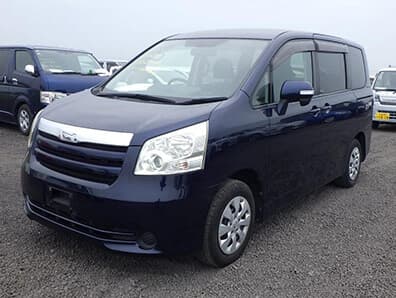
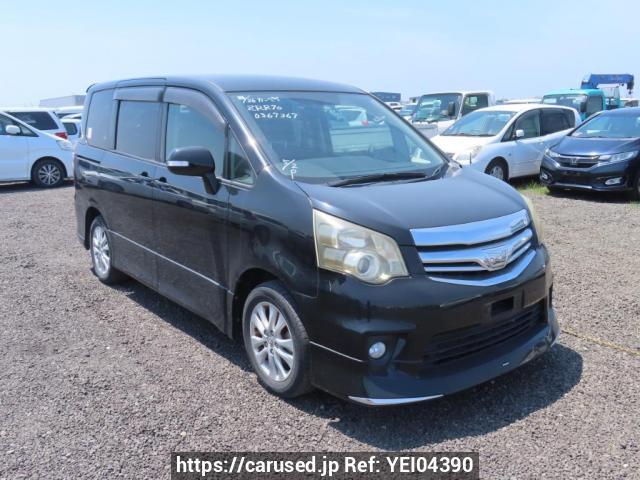
The second-generation Toyota Noah, launched in 2007 under the ZRR70 series, brought a more modern design, improved safety, and better fuel efficiency. Built on Toyota's new front-wheel-drive platform, it retained its signature boxy shape but introduced sleeker styling, improved aerodynamics, and more upscale interior features aimed at urban families.
Power came from the 2.0L 3ZR-FAE engine with Valvematic technology, producing 143 hp. It was mated to a newly introduced CVT (Continuously Variable Transmission), replacing the older 4-speed automatic. This helped reduce fuel consumption and provided smoother acceleration. A full-time 4WD version was also available for enhanced traction in slippery conditions.
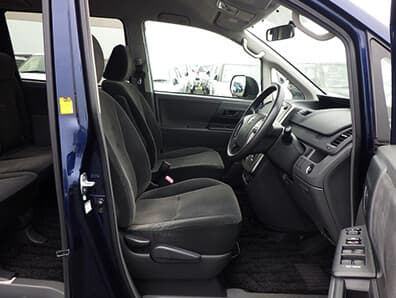
Interior space was optimized with a flat floor, walk-through design, and more comfortable third-row access. Dual power sliding doors became more widely available across trim levels. Safety and convenience features were significantly enhanced, including options like side airbags, vehicle stability control, and smart key entry systems.
The ZRR70 Noah was also more environmentally conscious, achieving excellent emissions ratings under Japan's 2010 standards, making it a strong choice for eco-conscious families.
Key Features :
- Sliding Doors: Dual sliding doors (manual or powered) made for easy access in tight urban spaces.
- Efficient Engine: Powered by the 2.0L 3ZR-FAE with Valvematic, delivering 143 hp with improved fuel efficiency.
- Transmission: Equipped with a CVT for smooth, efficient driving.
- Seating Flexibility: 7- or 8-seater configurations with walk-through 2nd-row options and fold-flat 3rd-row seats.
- Improved Interior: Higher-quality materials, enhanced dashboard layout, and more storage compartments.
- Enhanced Safety: Standard dual airbags, ABS with EBD, optional side airbags, and vehicle stability control (VSC).
- Modern Features:Available HID headlights, smart entry & start system, automatic climate control, and rearview camera.
Minor Change

First Generation AZR Series :
In August 2004, the Toyota Noah AZR series received a minor facelift to refresh its appearance and features:
Front Design Update:
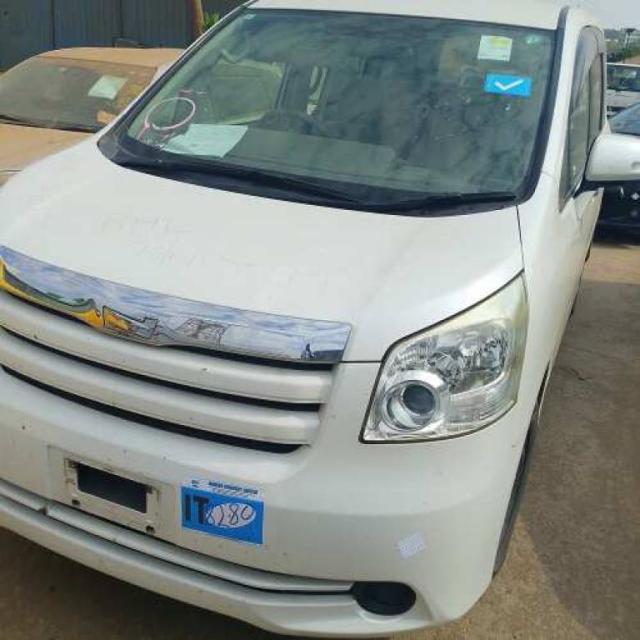
- New front grille design (more modern with chrome options on higher trims)
- Revised front bumper with updated fog lamp housings
- New headlamp shape and internal design for a sharper look
Rear Changes:
- Slight updates to the rear combination lights
- Some trims received a new garnish or updated emblem placement
Interior Improvements:
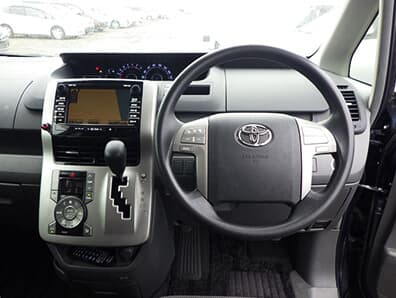
- Improved dashboard materials and revised trim colors for a more upscale feel
- Slight layout changes in the center console area (climate control panel, audio)
- Optional navigation system with DVD support introduced
New Safety Options:
- Some trims gained optional side airbags
- ISOFIX child seat anchors were added or expanded to more grades
Trim & Grade Adjustments:
- Introduction or reshuffling of trim levels (e.g., X, S, G)
- Alloy wheels, woodgrain panels, and fog lamps became standard on higher trims
- Optional dual power sliding doors offered on more grades

Second Generation ZRR Series :
Toyota introduced a facelift to keep the ZRR70/75 Noah competitive and modern. The updates focused on design, comfort, and eco-performance.
Exterior Updates:
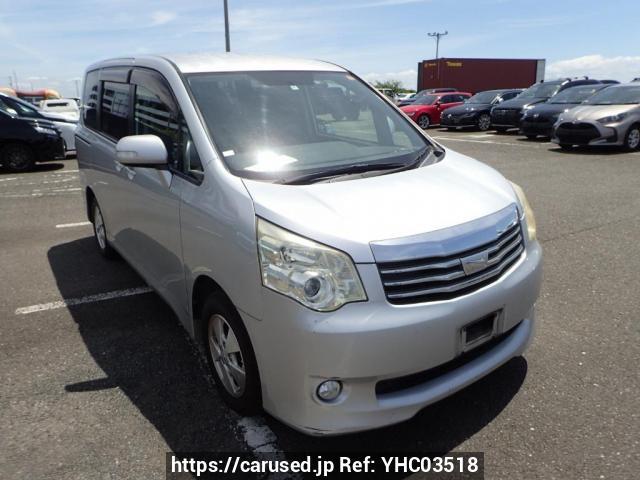
- Redesigned Front Grille: More prominent chrome detailing with a modernized look
- Updated Headlights: Clearer lenses with projector-style lighting on some trims
- New Bumper Design: Smoother lines, new fog lamp housings
- Tail Light Redesign: Slight revision in layout with LED-like aesthetics
- New Alloy Wheel Designs: Offered on higher trims like the Si or G models
Interior Updates :
- Updated Dashboard Design: More refined materials and trim textures
- Revised Instrument Cluster: Clearer graphics and lighting
- Upgraded Infotainment Options: Optional HDD navigation system, updated audio systems
- New Seat Fabric Choices: Higher-grade trims got improved upholstery
Mechanical & Efficiency Updates:
- Engine Tuning for Fuel Economy: Slight improvements in efficiency for 2.0L Valvematic engine
- Idling Stop Function (optional): Introduced in certain trims to improve city fuel economy
- Compliance with New Emission Standards: Updates to meet stricter Japanese fuel and emissions regulations
Safety Enhancements:
- More Trims Gained VSC (Vehicle Stability Control) as standard or optional
- Enhanced Crash Safety Performance: Reinforced cabin structure in line with JNCAP upgrades
- Rear Camera System: Became standard or more widely available across trims
Trim Line Updates:
Introduction of "X L Selection" and "Si G Selection" Packages: Added optional features like power sliding doors, smart key, and premium interior materials
Upcoming Changes:
The third-generation Noah (80 Series, 2014 - 2021) and fourth-generation (90 Series, 2022 - present) continue to evolve with:
- Hybrid powertrains for better fuel economy
- Toyota Safety Sense standard across grades
- More advanced infotainment and driver-assist features
- Enhanced comfort with improved suspension and quieter cabins