



2024-12-23_AA_EN
Carused.jp by Carpaydiem
Toyota Noah
Toyota Noah
Toyota Noah
Toyota Noah
Toyota Noah
Toyota Noah
Toyota Noah

Toyota Noah 2001 - 2014

The Toyota Noah is a popular minivan known for its spaciousness, comfort, and practical family-friendly features. Since its debut in 2001, the Noah has become a favorite among those seeking a reliable and versatile vehicle for urban and suburban driving. With its flexible seating arrangements, smooth ride, and efficient performance, the Toyota Noah caters well to families, group travelers, and anyone needing extra room without sacrificing drivability.

In this guide, we will explore key details about the Toyota Noah, including its notable features, specifications, and pricing across different generations such as the Toyota Noah ZRR70, ZRR80, and ZWR80 models.

Popular Models

Toyota Noah First and Second Generation Overview

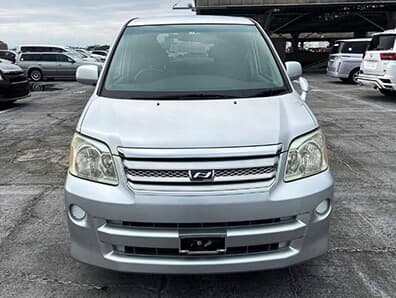
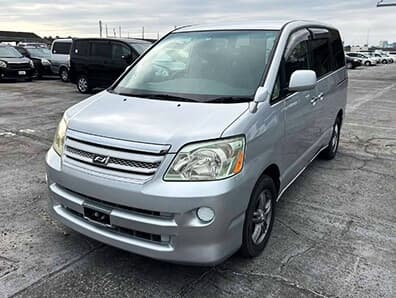
First generation AZR (2001 - 2007)
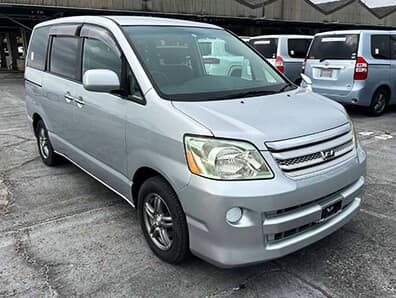
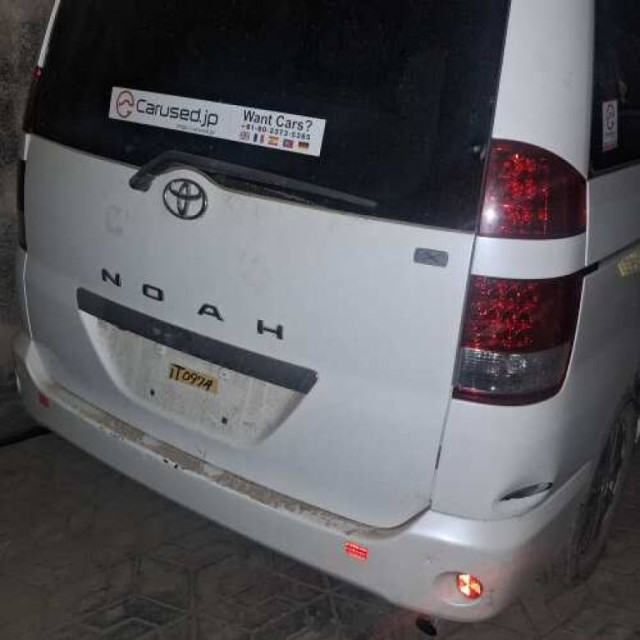
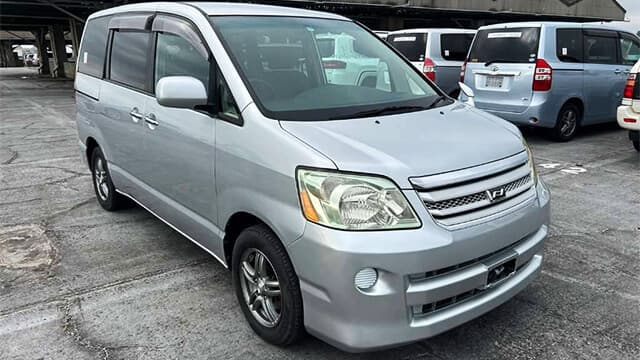
Toyota Noah AZR
Toyota Noah AZR
Toyota Noah AZR

The first-generation Toyota Noah, introduced in 2001, was developed as a compact minivan tailored for urban families. Built on the Toyota Corolla platform, it offered a smart balance between maneuverability and interior space. A tall roofline and flat floor layout maximized cabin volume, while its compact exterior made it easy to navigate in tight city environments.

Initially powered by the 2.0L 1AZ-FSE engine with direct fuel injection, the Noah produced around 152 hp and was paired with a 4-speed automatic transmission. Customers could choose between front-wheel drive and full-time 4WD variants, making it suitable for various driving conditions. The suspension setup prioritized ride comfort over sporty handling, ideal for family use.

Safety was enhanced with features such as dual front airbags and ABS with EBD. The Noah's boxy design contributed to excellent visibility, and sliding doors on both sides simplified entry and exit, especially in narrow parking spaces. Practical interior features and a reliable powertrain helped the AZR Noah establish a strong presence in both the domestic Japanese market and overseas export markets.

Key Features :

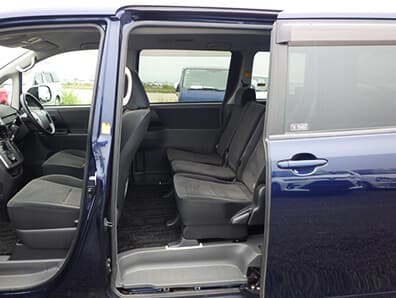
  • Sliding Doors: Manual or power sliding doors on both sides for easy rear-seat access.
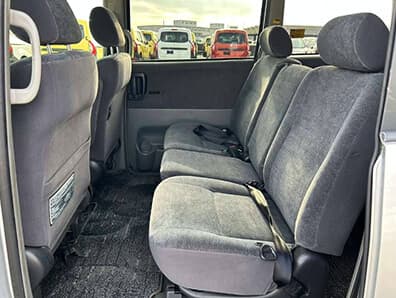
  • Interior Flexibility: Offered seating for 7 or 8 passengers, with foldable and removable third-row seats.
  • Efficient Engine: Equipped with a 2.0L 1AZ-FSE inline-4 producing around 152 hp.
  • Transmission Options: 4-speed automatic with Super ECT; available in both 2WD and 4WD variants.
  • Compact Yet Spacious: Designed to fit Japanese parking limits while maximizing interior height and legroom.
  • Safety Equipment: Dual airbags, ABS with EBD, optional side airbags, and ISOFIX anchors for child seats.
  • Comfort Upgrades: Featured dual-zone climate control, optional navigation, and higher trims offered alloy wheels and fog lamps.

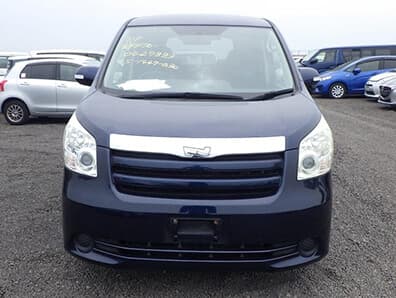
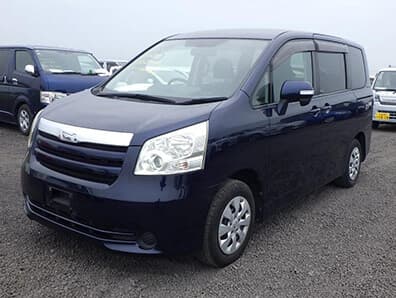
Second generation ZRR (2007 - 2014)
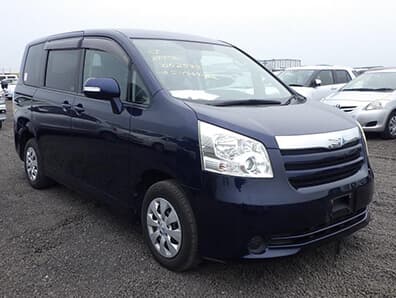
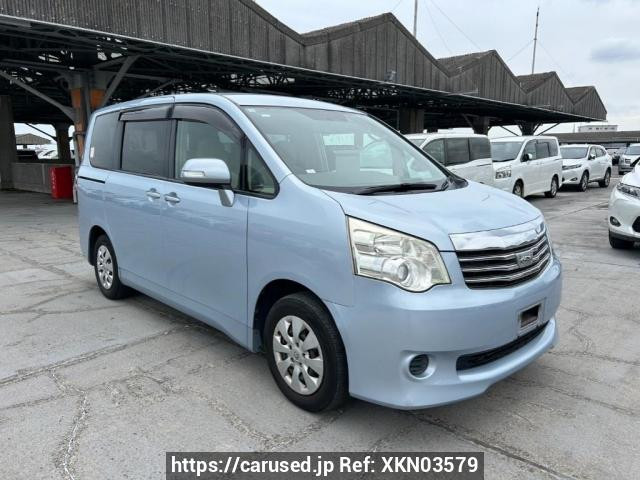
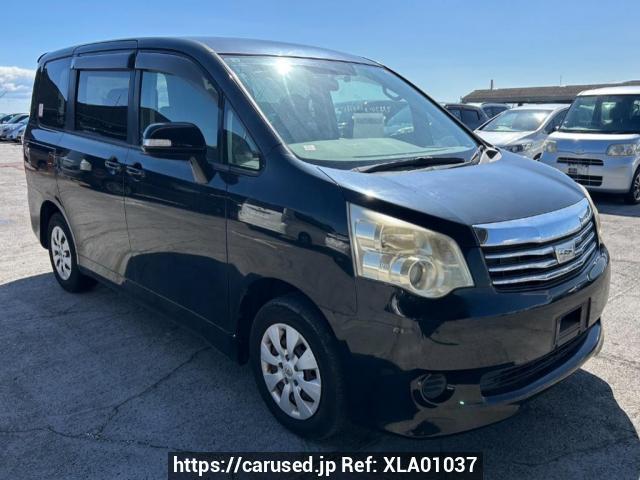
Toyota Noah ZRR
Toyota Noah ZRR
Toyota Noah ZRR

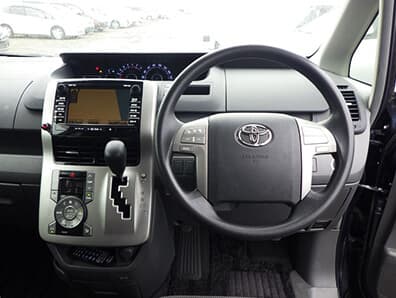
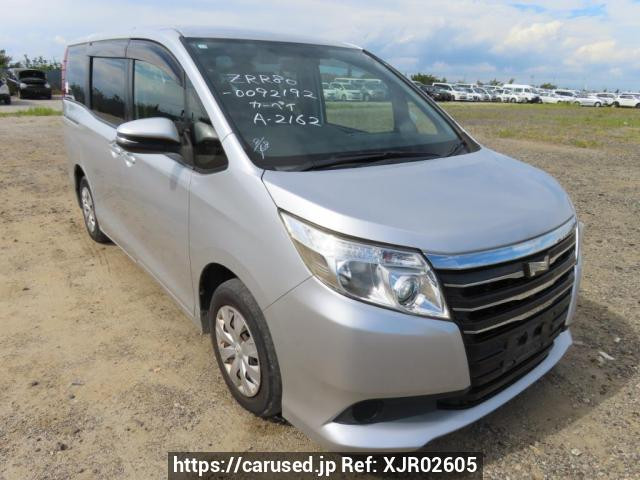
The second-generation Toyota Noah, launched in 2007 under the ZRR70 series, brought a more modern design, improved safety, and better fuel efficiency. Built on Toyota's new front-wheel-drive platform, it retained its signature boxy shape but introduced sleeker styling, improved aerodynamics, and more upscale interior features aimed at urban families.

Power came from the 2.0L 3ZR-FAE engine with Valvematic technology, producing 143 hp. It was mated to a newly introduced CVT (Continuously Variable Transmission), replacing the older 4-speed automatic. This helped reduce fuel consumption and provided smoother acceleration. A full-time 4WD version was also available for enhanced traction in slippery conditions.

Interior space was optimized with a flat floor, walk-through design, and more comfortable third-row access. Dual power sliding doors became more widely available across trim levels. Safety and convenience features were significantly enhanced, including options like side airbags, vehicle stability control, and smart key entry systems.

The ZRR70 Noah was also more environmentally conscious, achieving excellent emissions ratings under Japan's 2010 standards, making it a strong choice for eco-conscious families.

Key Features :

  • Sliding Doors: Dual sliding doors (manual or powered) made for easy access in tight urban spaces.
  • Efficient Engine: Powered by the 2.0L 3ZR-FAE with Valvematic, delivering 143 hp with improved fuel efficiency.
  • Transmission: Equipped with a CVT for smooth, efficient driving.
  • Seating Flexibility: 7- or 8-seater configurations with walk-through 2nd-row options and fold-flat 3rd-row seats.
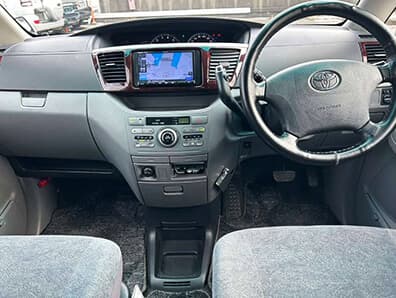
  • Improved Interior: Higher-quality materials, enhanced dashboard layout, and more storage compartments.
  • Enhanced Safety: Standard dual airbags, ABS with EBD, optional side airbags, and vehicle stability control (VSC).
  • Modern Features: Available HID headlights, smart entry & start system, automatic climate control, and rearview camera.

Minor Change

Toyota Noah AZR facelift

First Generation AZR Series :

In August 2004, the Toyota Noah AZR series received a minor facelift to refresh its appearance and features:

Front Design Update:
  • New front grille design (more modern with chrome options on higher trims)
  • Revised front bumper with updated fog lamp housings
  • New headlamp shape and internal design for a sharper look
Rear Changes:
  • Slight updates to the rear combination lights
  • Some trims received a new garnish or updated emblem placement
Interior Improvements:
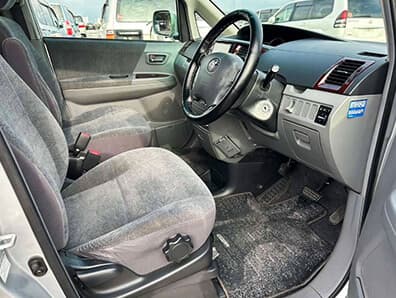
  • Improved dashboard materials and revised trim colors for a more upscale feel
  • Slight layout changes in the center console area (climate control panel, audio)
  • Optional navigation system with DVD support introduced
New Safety Options:
  • Some trims gained optional side airbags
  • ISOFIX child seat anchors were added or expanded to more grades
Trim & Grade Adjustments:
  • Introduction or reshuffling of trim levels (e.g., X, S, G)
  • Alloy wheels, woodgrain panels, and fog lamps became standard on higher trims
  • Optional dual power sliding doors offered on more grades
Toyota Noah ZRR facelift

Second Generation ZRR Series :

Toyota introduced a facelift to keep the ZRR70/75 Noah competitive and modern. The updates focused on design, comfort, and eco-performance.

Exterior Updates:
  • Redesigned Front Grille: More prominent chrome detailing with a modernized look
  • Updated Headlights: Clearer lenses with projector-style lighting on some trims
  • New Bumper Design: Smoother lines, new fog lamp housings
  • Tail Light Redesign: Slight revision in layout with LED-like aesthetics
  • New Alloy Wheel Designs: Offered on higher trims like the Si or G models
Interior Updates :
  • Updated Dashboard Design: More refined materials and trim textures
  • Revised Instrument Cluster: Clearer graphics and lighting
  • Upgraded Infotainment Options: Optional HDD navigation system, updated audio systems
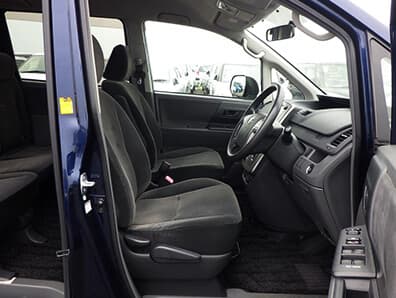
  • New Seat Fabric Choices: Higher-grade trims got improved upholstery
Mechanical & Efficiency Updates:
  • Engine Tuning for Fuel Economy: Slight improvements in efficiency for 2.0L Valvematic engine
  • Idling Stop Function (optional): Introduced in certain trims to improve city fuel economy
  • Compliance with New Emission Standards: Updates to meet stricter Japanese fuel and emissions regulations
Safety Enhancements:
  • More Trims Gained VSC (Vehicle Stability Control) as standard or optional
  • Enhanced Crash Safety Performance: Reinforced cabin structure in line with JNCAP upgrades
  • Rear Camera System: Became standard or more widely available across trims
Trim Line Updates:

Introduction of "X L Selection" and "Si G Selection" Packages: Added optional features like power sliding doors, smart key, and premium interior materials

Upcoming Changes:

The third-generation Noah (80 Series, 2014 - 2021) and fourth-generation (90 Series, 2022 - present) continue to evolve with:

  • Hybrid powertrains for better fuel economy
  • Toyota Safety Sense standard across grades
  • More advanced infotainment and driver-assist features
  • Enhanced comfort with improved suspension and quieter cabins
Popular Model for Toyota Noah first & second generation

Toyota Noah First Generation AZR Series (2001 - 2007)

This generation focused on maximizing interior space with a boxy and practical design. Equipped mainly with the 1AZ-FSE 2.0-liter engine, it offered reliable performance and decent fuel economy. The sliding rear doors and flexible seating made it ideal for families needing versatile daily transportation.

Toyota Noah Second Generation ZRR Series (2007 - 2014)

With a more modern and refined exterior, this generation introduced the 3ZR-FE 2.0-liter engine, improving fuel efficiency and driving comfort. Enhanced interior materials and technology, along with available power sliding doors, made it well-suited for urban families and longer trips.

Each generation of the Toyota Noah catered to evolving lifestyle needs, from practical daily use to more refined family travel, securing its place as a favorite minivan in its segment.

Customer Reviews for Toyota Noah

Toyota Noah

Review on Toyota Noah

Pas de commentaire très bonne voiture
on May 6, 2026
Toyota Noah

Review on Toyota Noah

The car was highly regarded, reliable, and versatile 8 seater MPV, frequently praised for its massive interior space, comfortable cabin, and excellent fuel efficiency, thank you carpaydiem for the good service always
on Apr 8, 2026
Toyota Noah

Review on Toyota Noah

Perfect ✅ 🇯🇵🤝🇨🇩 BRIZIO_FAB_BUSINESS_CAR
on Apr 2, 2026
Toyota Noah

Review on Toyota Noah

Good condition
on Mar 31, 2026
Toyota Noah

Review on Toyota Noah

the tires are very old, but the car is good
on Mar 26, 2026
Toyota Noah

Review on Toyota Noah

A good car
on Mar 20, 2026
Toyota Noah

Review on Toyota Noah

Good car just some scraches
on Feb 11, 2026
Toyota Noah

Review on Toyota Noah

Très content de vous et merci
on Jan 27, 2026
Read More Reviews

Toyota Noah VS Toyota Voxy

Each generation of the Toyota Noah catered to evolving lifestyle needs, from practical daily use to more refined family travel, securing its place as a favorite minivan in its segment.

FeatureToyota NoahToyota Voxy
Performance
  • Engine Options: Typically 2.0L gasoline (e.g., M20A-FKS or 3ZR-FAE) or 1.8L hybrid (2ZR-FXE).
  • Horsepower: Gasoline models generally range from 150-170 hp, hybrid models around 97 hp (engine) + 94 hp (motor) with a combined system output of approx. 134-140 hp.
  • Torque: Gasoline models around 202 Nm, hybrid models around 142 Nm (engine) + 185 Nm (motor).
  • Engine Options: Typically 2.0L gasoline (e.g., M20A-FKS or 3ZR-FAE) or 1.8L hybrid (2ZR-FXE).
  • Horsepower: Gasoline models generally range from 150-170 hp, hybrid models around 97 hp (engine) + 94 hp (motor) with a combined system output of approx. 134-140 hp.
  • Torque: Gasoline models around 202 Nm, hybrid models around 142 Nm (engine) + 185 Nm (motor).
Fuel Consumption
  • Gasoline: Around 14.6 - 16.0 km/L (WLTC cycle) depending on the variant and drive type.
  • Hybrid: Class-leading fuel efficiency, often around 23.4 km/L (WLTC cycle) or 4.2 L/100 km.
  • Gasoline: Around 14.6 - 16.0 km/L (WLTC cycle) depending on the variant and drive type.
  • Hybrid: Class-leading fuel efficiency, often around 23.0 - 23.8 km/L (WLTC cycle) or 4.2 L/100 km.
Dimensions
  • Length: Approximately 4695 mm.
  • Width: Approximately 1730 mm.
  • Height: Approximately 1845 mm - 1925 mm (can vary by trim and year).
  • Wheelbase: 2850 mm.
  • Length: Approximately 4695 mm - 4710 mm.
  • Width: Approximately 1730 mm.
  • Height: Approximately 1825 mm - 1895 mm (can vary by trim and year).
  • Wheelbase: 2850 mm.
Seating CapacityTypically offered in 7-seater (2-2-3 configuration with captain's chairs in the second row) and 8-seater (2-3-3 configuration) options. The 7-seater hybrid models generally have captain's chairs.Typically offered in 7-seater (often with captain's chairs in the second row) and 8-seater options. Hybrid models commonly come as 7-seaters.
Drivetrain
  • Commonly: Front-Wheel Drive (FF/2WD).
  • Available: All-Wheel Drive (AWD/4WD) options are also available, particularly on gasoline models.
  • Commonly: Front-Wheel Drive (FF/2WD).
  • Available: All-Wheel Drive (AWD/4WD) options are also available, particularly on gasoline models.
Fuel Efficiency(See "Fuel Consumption" - often used interchangeably)(See "Fuel Consumption" - often used interchangeably)
Ground ClearanceGenerally around 150 mm.Generally around 150 mm.
Cargo SpaceOffers generous cargo area, with third-row seats typically foldable to maximize space. Some sources mention around 680L for certain configurations. A large-capacity 104L super luggage box (underfloor storage) is available in newer models.Provides ample cargo space, similar to the Noah, with foldable third-row seats. Newer models also feature the large-capacity underfloor luggage box.
Design / StylingOften described as having a more conservative, majestic, and rounded design, emphasizing a sleek and aerodynamic profile.Often described as having a bolder, more angular, and boxy design, giving it a slightly more aggressive and modern/sporty appearance, especially with its distinctive grille.
Other Notable Features
  • Safety: Equipped with Toyota Safety Sense (advanced active safety package).
  • Interior: Comfortable cabin, user-friendly infotainment system, dual power sliding doors, rear-seat sunshades, captain seats with foldable side table, rear coolers, multiple storage compartments.
  • Safety: Equipped with Toyota Safety Sense.
  • Interior: Similar to Noah, offering comfortable cabin space, power sliding doors, captain seats, rear coolers, and a focus on passenger comfort. Some models may have different upholstery or interior styling elements. Pollen elimination system might be available in some Voxy trims.

Note

This table provides a selection of specifications from each model's lineup. There are multiple variations beyond those listed here.

Analysis

  • Dimensions, cargo space, seating capacity, and engine architecture are essentially identical across Noah and Voxy variants.
  • The primary differences lie in:
  • Styling and brand targeting (Noah is slightly more conservative/family-focused, Voxy leans sportier/youth-oriented).
  • Trim names and small internal feature differences (e.g., Si, G, X for Noah vs. ZS, V, X for Voxy).

Conclusion

Mechanically, you can't go wrong with either.
If looks and image matter more to you, pick Voxy for sporty, Noah for classy.

FAQ for Toyota Noah

Frequently Asked Questions (FAQ) for Toyota Noah

QWhat is the Toyota Noah?
AThe Toyota Noah is a 7- or 8-seater minivan manufactured by Toyota, popular for its spacious interior, sliding doors, and fuel-efficient 2.0L engine.
It's designed primarily for families and urban transport.
QHow many people can the Toyota Noah carry?
AThe Noah is available in:
7-seater versions (with captain's chairs in the second row)
8-seater versions (with bench seating in the second row)
QWhat engine does the Toyota Noah use?
A
Depending on the variant, the Noah uses:
3ZR-FE: 2.0L, inline 4-cylinder, DOHC
3ZR-FAE: 2.0L, inline 4-cylinder with Valvematic (better fuel efficiency)
QIs the Toyota Noah fuel-efficient?
AYes. The Toyota Noah offers:
Around 13 - 16 km/L (30 - 37 MPG), depending on driving conditions and engine type (especially with the Valvematic 3ZR-FAE engine).
QWhat are the main differences between Noah, Voxy?
A
Noah: Family-oriented, simple and practical design.
Voxy: Edgier styling, targets younger buyers.
QIs the Toyota Noah suitable for long trips?
AYes. With:
Comfortable suspension, Ample cabin space, Flexible seating, And a smooth CVT transmission, The Noah performs well on highways and long-distance drives.