Honda Fit GK3: Low Maintenance, Great Mileage, and Bulletproof Reliability
Walk down any street in Lusaka or Harare, and you will see them. The Honda Fit GK3 has become a firm favourite across Zambia and Zimbabwe. And for good reason.
It is affordable. Sips fuel. Rarely breaks. And Japanese imports arrive with low mileage (usually 30,000 to 80,000 km) and proper service records.
Whether you are a first-time buyer, a family person, or running a small taxi business, this little hatchback makes sense.
What Exactly Is the Honda Fit GK3?
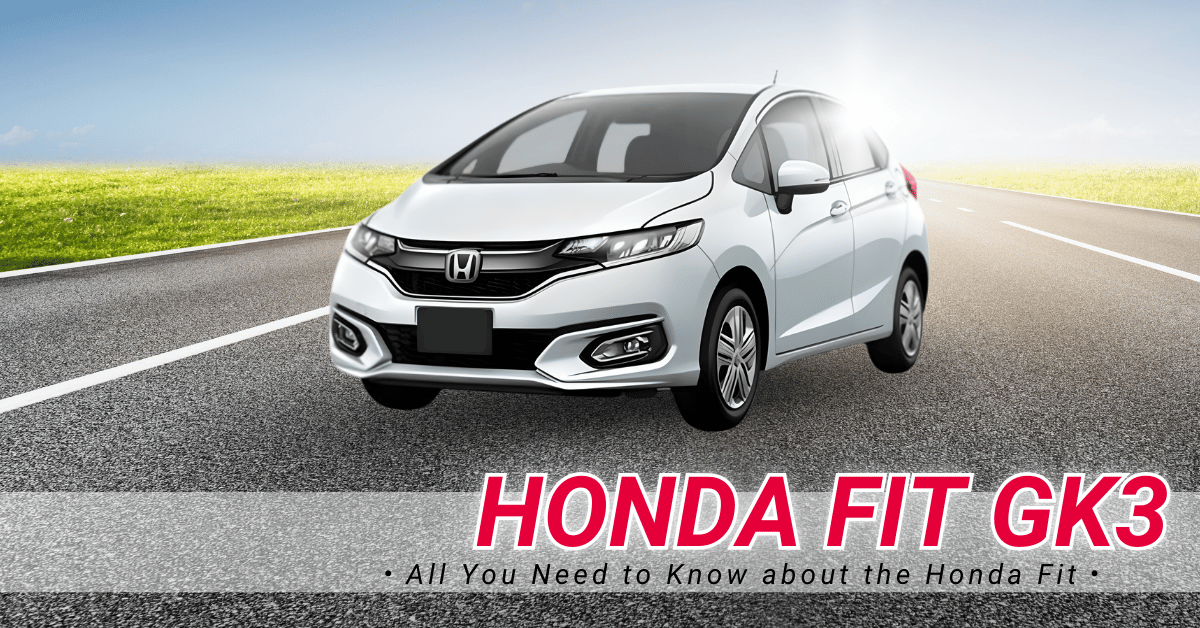
The GK3 is the third-generation Honda Fit, launched in 2013. It is the sensible cousin in the Fit family – focused on fuel economy and reliability, not speed.
Key Specs (Simplified)
| Feature | What You Get |
| Engine | 1.3-litre petrol (no turbo – simpler = better) |
| Power | About 100 hp – enough for daily driving |
| Transmission | CVT automatic (improved version – no shudder) |
| Fuel use | 18-20 km/L in real city driving |
| Seats | 5 people comfortably |
Small outside, big inside. That is the magic of Honda’s design. The rear seats fold flat or flip up to carry anything from groceries to furniture.
Why People Love It
The Good Stuff
- Engine purrs along reliably
- Handles long trips well (Lusaka to Ndola, Harare to Bulawayo)
- Stable and comfortable on highways
- Daily driving with zero drama
The Watch Out Stuff
No car is perfect. Here is what GK3 owners mention:
1. It is a used car – things wear out
Around 100,000 km, some owners report:
- Engine vibrations or slight knocking
- Fuel economy dropping (15 km/L to 10 km/L)
Fix: Usually just spark plugs, ignition coils, or throttle body cleaning. Normal maintenance.
2. Dashboard sits higher
The GK3 has a higher dashboard and thicker front pillars than older models. This creates a slightly bigger blind spot. You will adjust within a week, but worth knowing.
3. CVT needs care
It is improved, yes. But any automatic gearbox needs proper fluid changes. Skip those, and you will have problems.
Low Mileage – The Japan Advantage
Japanese imports arrive with genuinely low mileage. Here is why:
- Japan has excellent trains and buses – cars sit unused
- Most driving is short trips to shops
- Strict inspections mean people sell cars early
- Detailed service records come with every car
Typical GK3 imports: 30,000 km to 80,000 km. That is barely broken in.
Find Honda Fit GK3 For Sale Here
Honda Fit GK3 vs GK5 vs GE6 – Which Fit Is Best?
| Feature | GK3 | GK5 | GE6 |
| Generation | 3rd (2013-2020) | 3rd (2013-2020) | 2nd (2007-2013) |
| Engine | 1.3L (fuel saver) | 1.5L (more power) | 1.3L (older design) |
| Power | About 100 hp | About 130 hp | About 99 hp |
| Transmission | Improved CVT | CVT or manual | Old CVT (shudder risk) |
| Fuel use | Excellent | Good | Good |
| Body strength | High | High | Moderate |
| Visibility | Higher dash | Similar to GK3 | Lower dash, better view |
| Maintenance | Low | Slightly higher | Low |
| Price | Affordable | Pricier | Cheapest |
Which One for You?
- GK3 – Best all-rounder. Modern, fuel-efficient, reliable CVT, affordable. The smart choice for most people.
- GK5 – Get this if you want extra power and do not mind higher fuel bills.
- GE6 – Budget option. Good visibility, low price. But check the CVT carefully – shudder problems are real.
Read more on Honda Fit GE6 Here.
Everyday Features You Will Actually Use
Magic Seats (Seriously Useful)
Honda’s rear seats do tricks:
- Fold flat for long items
- Flip up for tall things (plants, standing luggage)
- Fold down completely for maximum cargo
Need to move a market stall purchase? Pick up furniture? Carry luggage for five people? Done.
Good Visibility (After Adjustment)
The high dashboard takes a day to get used to. Once you are seated right, large windows give you a good view of the road.
Nice Extras (Depending on Model)
Higher-trim GK3s may include:
- Steering wheel controls
- Touchscreen
- Reversing camera
- Keyless entry
- Automatic climate control
Used GK3 Buying Checklist
Before you hand over cash, check these:
Under the Bonnet
- Service history – Papers from Japan? Good sign.
- CVT test – Drive smoothly. Any shudder or hesitation? Walk away.
- Engine noise – Listen at idle and during acceleration. Should be smooth.
- Suspension – Clunks over bumps? Might need work.
Body Check
- Panel gaps – Even? Good. Uneven? Possible accident.
- Rust – Look underneath, door sills, wheel arches.
- Tyres – Uneven wear means alignment issues.
- Warning lights – All should clear after start-up.
Paperwork
- Import documents – Legally imported?
- Mileage – Matches service records?
- Registration – Can you register it locally?
Quick Summary
| What You Need to Know | The Short Answer |
| Is it reliable? | Yes – engine regularly hits 200,000km+ |
| Fuel economy? | Excellent – 18-20 km/L in real driving |
| Maintenance cost? | Low – simple engine, parts now widely available |
| Common problems? | Few – but watch for CVT condition and engine tune-up needs |
| Best for? | Daily commuting, families, first-time buyers, taxi use |
| Price? | Affordable – cheaper than SUVs or sedans |
Find Honda Fit GK3 For Sale Here
Just remember:
- It is a used car – maintenance matters
- Check the CVT carefully before buying
- Give yourself a week to adjust to the higher dashboard
Compared to the sporty GK5 or the older GE6, the GK3 hits the sweet spot. Modern enough to be safe and comfortable. Simple enough to be affordable and fixable.
For daily commuting in Lusaka, taxi work in Harare, family trips, or your very first car – the Honda Fit GK3 delivers exactly what Southern African drivers need.
Practical. Economical. Reliable. That is why you see them everywhere.